
September 29, 2026
Programmatic DOOH Meets the Connected Taxi Journey
Programmatic advertising has become extraordinarily efficient at moving messages across screens. The next challenge is understanding the real-world journey surrounding each screen.
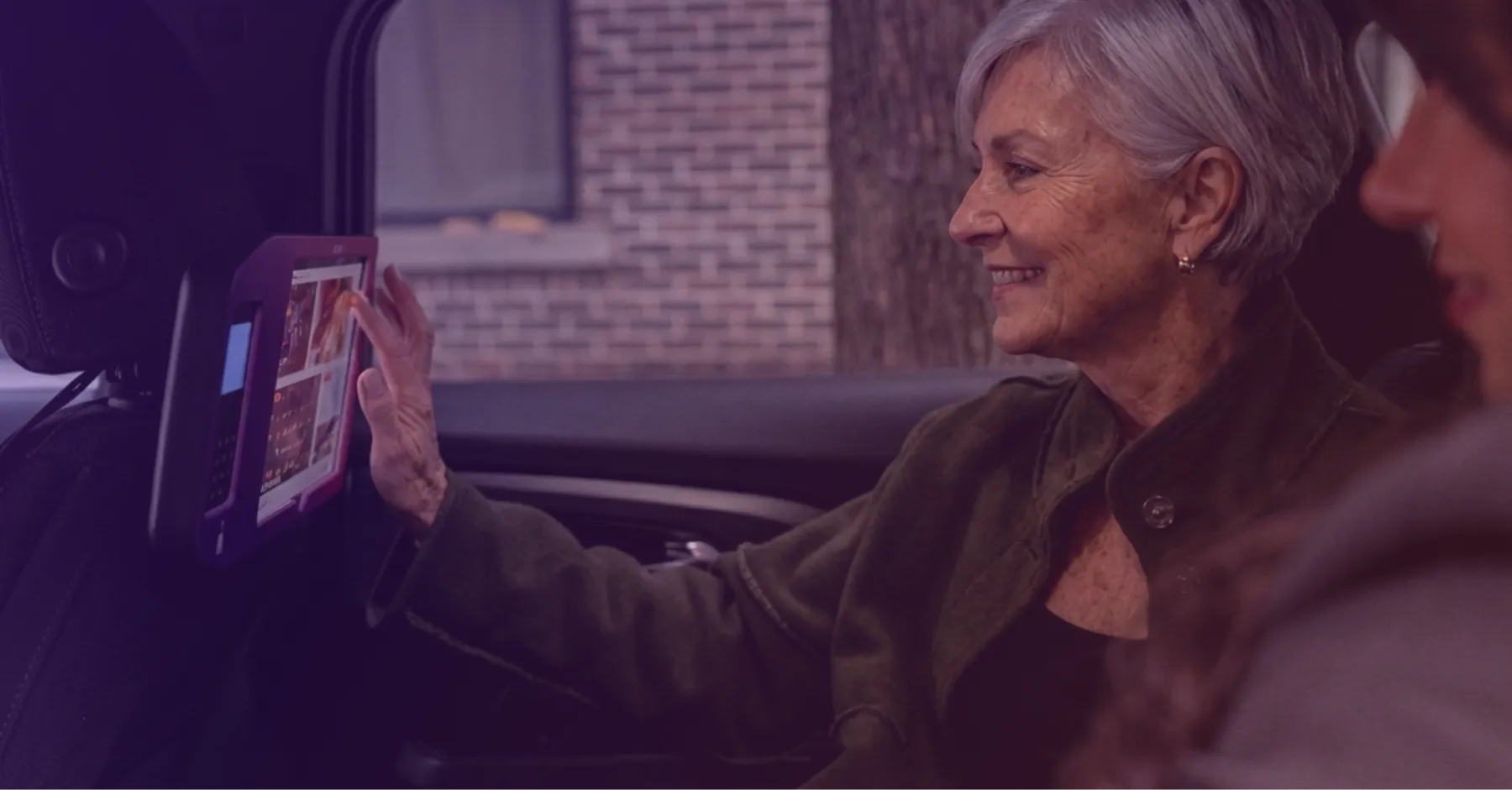
In-taxi media offers programmatic buyers something distinctive: a connected digital environment embedded inside physical movement. The screen travels through commercial districts, airport corridors, entertainment zones, and neighborhoods while the passenger experiences an extended ride.
This creates a richer canvas for programmatic digital out-of-home.
Instead of planning only around audience proxies and screen location, buyers can consider market, geography, airport context, daypart, trip stage, and creative sequence. A campaign can be designed around the flow of a city rather than a collection of isolated placements.
For DSPs, SSPs, and agency trading teams, the opportunity is to make the taxi journey legible within established buying workflows. That requires more than inventory availability. It requires clear definitions, transparent delivery, useful metadata, thoughtful frequency controls, credible measurement, and creative standards suited to the passenger experience.
ember makes its inventory available programmatically through Vistar Media, alongside direct targeting capabilities. The strategic value is not simply that taxi screens can now be bought through a platform. It is that a previously overlooked moment of urban attention can become accessible to modern media systems.
That opens compelling use cases:
- Airport arrival campaigns activated by time and market
- Dynamic creative aligned with weather, events, or daypart
- Local offers deployed around commercial zones
- Sequential storytelling across the ride
- National campaigns adapted to city-level context
- Omnichannel plans that connect mobile, CTV, retail media, and DOOH
Programmatic should not reduce every environment to another interchangeable impression. Its real promise is the opposite: using automation to make each environment more contextually intelligent.
The taxi is not merely another endpoint. It is a journey with a beginning, middle, destination, and transaction moment. That is a media object worth designing around.
Interested in turning urban journeys into local commerce opportunities?
Contact Joanna to schedule a conversation.